
- Demographic changes are affecting urbanization trends, influencing demand for commercial spaces.
- Structural labor shortages require adaptive real estate solutions, integrating automation and flexible workspaces.
- Wage inflation impacts operational costs, necessitating more efficient real estate management practices.
- Investors are shifting focus to mixed-use developments that cater to evolving lifestyle and work needs.
- Sustainability and energy efficiency are becoming critical in real estate planning to offset increased operational costs.
“The market is a mechanism for transferring wealth from the impatient to the prepared.”
Real Estate Strategies Amid Demographic Shifts
Macro-Economic Context & Structural Imbalances
In the current economic milieu, profound demographic shifts are reshaping market landscapes globally. The confluence of declining birth rates, aging populations, and migration volatility is exerting unprecedented pressure on labor markets. This pressure catalyzes structural labor shortages which, in tandem with accelerated wage inflation, compels reassessment of capital allocation into real estate assets.
Central banks’ monetary policies, oscillating between dovish and hawkish stances due to persistent inflationary pressures, further complicate the situation. Amid an intricate web of global fiscal stimuli, quantitative tapering renders liquidity premiums volatile across asset classes. Concurrently, the real estate sector grapples with asymmetric risks linked to both demand side and supply chain constraints.
Quantitative Impact on Asset Pricing
The tectonic demographic shifts translate into quantifiable impacts on real estate asset pricing. We observe heightened convexity in property markets, where price sensitivity to interest rate fluctuations is exacerbated under current economic conditions. The growing chasm between supply and demand amid labor shortages inflates wage levels, disproportionately challenging construction sectors.
Moreover, the inherent duration risk within real estate investments necessitates rigorous scrutiny. Investors must pertinently weigh the potential for a renewed cycle of asset price inflation against the tail-risk of demand contractions in key demographic segments. Hedging against currency and interest rate exposures becomes imperative, given the multifactorial uncertainties prevalent.
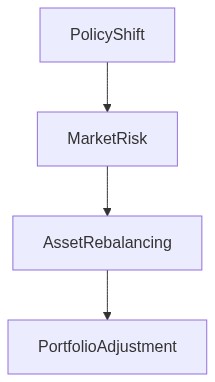
Step 1 (Asset Class Allocation) Background scrutiny suggests a strategic pivot towards real estate sub-sectors impervious to demographic headwinds. Senior living infrastructure and urban multifamily properties exhibit resilience, benefiting from demographic realignments.
Step 2 (Risk Mitigation & Hedging) Establish derivative overlays to hedge against property market volatility. Interest rate swaps and currency hedges mitigate duration and forex risks, respectively, aligning asset exposures with macroeconomic forecasts.
Step 3 (Operational Enhancement Strategies) Amplify focus on technology-driven property management solutions to counterbalance labor deficiencies. Target valuation appreciation through digital transformations which engender operational efficiencies and tenant satisfaction.
| Parameter | Retail Approach | Institutional Overlay |
|---|---|---|
| Investment Horizon | Short to Medium Term | Long Term Focus |
| Capital Allocation | Individual Assets | Portfolio Diversification |
| Risk Management | Limited Hedging Techniques | Advanced Hedging and Derivative Use |
| Target Demographics | Direct Consumer Engagement | Macro Demographic Trends |
| Asset Liquidity | Lower Liquidity | Higher Liquidity Options |
| Data Integration | Basic Analytic Tools | Comprehensive Data Analytics |
| Scalability | Limited by Capital | High Scalability Potential |
| Yield Expectation | High Volatility Potential | Stable Income Stream |
| Exposure to Trends | Localized Market Trends | Global Exposure |
| Due Diligence Process | Simplified Procedures | Thorough and Detailed Analysis |