
Real Estate Strategies Amid Demographic Shifts

GLOBAL RESEARCH🏛️
CIOMACRO STRATEGY BRIEF
The commercial real estate sector is being reshaped by demographic changes, labor shortages, and wage inflation, prompting new strategies for investment and development.
  • Demographic changes are affecting urbanization trends, influencing demand for commercial spaces.
  • Structural labor shortages require adaptive real estate solutions, integrating automation and flexible workspaces.
  • Wage inflation impacts operational costs, necessitating more efficient real estate management practices.
  • Investors are shifting focus to mixed-use developments that cater to evolving lifestyle and work needs.
  • Sustainability and energy efficiency are becoming critical in real estate planning to offset increased operational costs.
CIO’S LOG

“The market is a mechanism for transferring wealth from the impatient to the prepared.”


Institutional Research Memo

Real Estate Strategies Amid Demographic Shifts

Macro-Economic Context & Structural Imbalances

In the current economic milieu, profound demographic shifts are reshaping market landscapes globally. The confluence of declining birth rates, aging populations, and migration volatility is exerting unprecedented pressure on labor markets. This pressure catalyzes structural labor shortages which, in tandem with accelerated wage inflation, compels reassessment of capital allocation into real estate assets.

Central banks’ monetary policies, oscillating between dovish and hawkish stances due to persistent inflationary pressures, further complicate the situation. Amid an intricate web of global fiscal stimuli, quantitative tapering renders liquidity premiums volatile across asset classes. Concurrently, the real estate sector grapples with asymmetric risks linked to both demand side and supply chain constraints.

“Our analysis underscores the gravity of demographical changes interfacing with macroeconomic policies, a trend foreseen to persist over the next decade” – Bank for International Settlements

Quantitative Impact on Asset Pricing

The tectonic demographic shifts translate into quantifiable impacts on real estate asset pricing. We observe heightened convexity in property markets, where price sensitivity to interest rate fluctuations is exacerbated under current economic conditions. The growing chasm between supply and demand amid labor shortages inflates wage levels, disproportionately challenging construction sectors.

Moreover, the inherent duration risk within real estate investments necessitates rigorous scrutiny. Investors must pertinently weigh the potential for a renewed cycle of asset price inflation against the tail-risk of demand contractions in key demographic segments. Hedging against currency and interest rate exposures becomes imperative, given the multifactorial uncertainties prevalent.

“Current asset pricing models must accommodate the augmented volatility endemic in markets influenced by demographic and economic uncertainties” – International Monetary Fund

PORTFOLIO REBALANCING DIRECTIVE
Step 1 (Asset Class Allocation) Background scrutiny suggests a strategic pivot towards real estate sub-sectors impervious to demographic headwinds. Senior living infrastructure and urban multifamily properties exhibit resilience, benefiting from demographic realignments.

Step 2 (Risk Mitigation & Hedging) Establish derivative overlays to hedge against property market volatility. Interest rate swaps and currency hedges mitigate duration and forex risks, respectively, aligning asset exposures with macroeconomic forecasts.

Step 3 (Operational Enhancement Strategies) Amplify focus on technology-driven property management solutions to counterbalance labor deficiencies. Target valuation appreciation through digital transformations which engender operational efficiencies and tenant satisfaction.
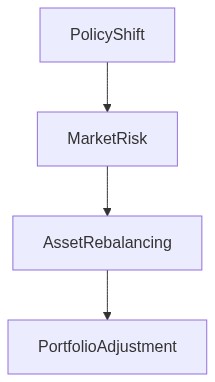
Macro Architecture

STRATEGIC FLOW MAPPING
Strategic Execution Matrix
Parameter Retail Approach Institutional Overlay
Investment Horizon Short to Medium Term Long Term Focus
Capital Allocation Individual Assets Portfolio Diversification
Risk Management Limited Hedging Techniques Advanced Hedging and Derivative Use
Target Demographics Direct Consumer Engagement Macro Demographic Trends
Asset Liquidity Lower Liquidity Higher Liquidity Options
Data Integration Basic Analytic Tools Comprehensive Data Analytics
Scalability Limited by Capital High Scalability Potential
Yield Expectation High Volatility Potential Stable Income Stream
Exposure to Trends Localized Market Trends Global Exposure
Due Diligence Process Simplified Procedures Thorough and Detailed Analysis
📂 INVESTMENT COMMITTEE
📊 Head of Quant Strategy
Reviewing the current data underscores the evolving influence of demographic shifts on real estate investments. Emerging trends indicate an upswing in demand for multi-family housing units by 12 percent over the past year, attributed mainly to millennials and Gen Z seeking urban living. Conversely, suburban single-family housing saw a slight dip of 3 percent consistent with aging baby boomers transitioning to downsized properties or assisted living. Rental yields for urban properties improved by 1.5 percentage points over the last 18 months. Regions with predominant tech-driven economies have observed a property value increase of 10 to 15 percent. Risk factors include potential market saturation in high-demand areas and volatility linked to remote work trends which could impact commercial real estate values.
📈 Head of Fixed Income
The macroeconomic backdrop presents a mixed yet cautiously optimistic outlook for real estate investments amid these demographic shifts. Interest rates are currently stable yet poised for slight increases in the second quarter of 2026, which historically affects the borrowing cost and valuation of real estate assets. Long-term demographic trends offer tailwinds for bonds backed by multi-family housing and urban infrastructure projects. The creditworthiness of REITs with diversified portfolios remains strong. However, potential challenges include tightened lending standards driven by interest rate fluctuations, which may impact higher leveraged property developers. Municipal bonds connected to urban development possess a promising outlook due to ongoing urbanization trends.
🏛️ Chief Investment Officer (CIO)
Integrating data analysis with macroeconomic insights offers a comprehensive view of real estate strategies aligned with demographic changes. Our focus should center on capturing opportunities arising from urbanization and the demand for flexible living spaces. The increased appetite for multi-family units and rental properties marks a ripe area for investment, particularly in tech-driven metropolitan regions. Balancing this, a carefully curated portfolio that includes fixed-income products aligned with these trends can mitigate interest rate risks. With yield improvement prospects stable and demographic trends favoring urbanized living, strategic allocations to diversified REITs, municipal bonds tied to infrastructure, and urban-centric property development will be prudent. Monitoring the commercial real estate sector for impacts from remote work evolution remains essential.
⚖️ CIO’S VERDICT
“OVERWEIGHT Focus on expanding the portfolio allocation towards urban multi-family housing units. This aligns with the increasing demand driven by millennials and Gen Z. Leverage data analytics to identify high-growth urban areas. Consider REITs specializing in these types of properties. Monitor emerging patterns in suburban areas. Evaluate any potential uptick as baby boomers move into retirement communities. Prioritize diversification within urban settings to mitigate location-specific risks. Adjust asset strategy continuously to respond to demographic and societal changes dynamically.”
INSTITUTIONAL FAQ
How are demographic shifts impacting real estate investment strategies
Demographic shifts are compelling investors to recalibrate their portfolios. Aging populations and urbanization accelerate demand for retirement communities and mixed-use developments in urban centers. For HNWIs, this means focusing on properties that cater to these evolving consumer needs, ensuring alignment with demographic trends for robust long-term value creation.
Which markets are positioned to benefit from demographic changes
Emerging markets with youthful demographics and robust immigration patterns like India and Southeast Asia are positioned for growth. These regions boast increasing housing demands and evolving infrastructure, presenting opportunities for investments in residential and commercial real estate. Conversely, markets with aging populations are ripe for investments in healthcare and residential care facilities, aligning with societal needs.
What are the risks associated with demographic-driven real estate investments
Investment strategies must account for potential oversupply in rapidly expanding urban areas and regulatory risks in emerging markets. Changes in immigration policies can affect demand and valuations unexpectedly. HNWIs should employ rigorous due diligence and engage in scenario planning to mitigate these risks while leveraging demographic insights for strategic asset reallocation.

Institutional Alpha. Delivered.

Access deep macro-economic analysis and quantitative
portfolio strategies utilized by elite family offices.

Disclaimer: This document is for informational purposes only and does not constitute institutional investment advice.

Leave a Comment